Slugging is a skincare technique that involves applying a thick occlusive product—like petroleum jelly or a specialized sleeping mask—as the final step in your nighttime routine. The name comes from the "slug-like" shiny, glossy appearance it gives your skin.
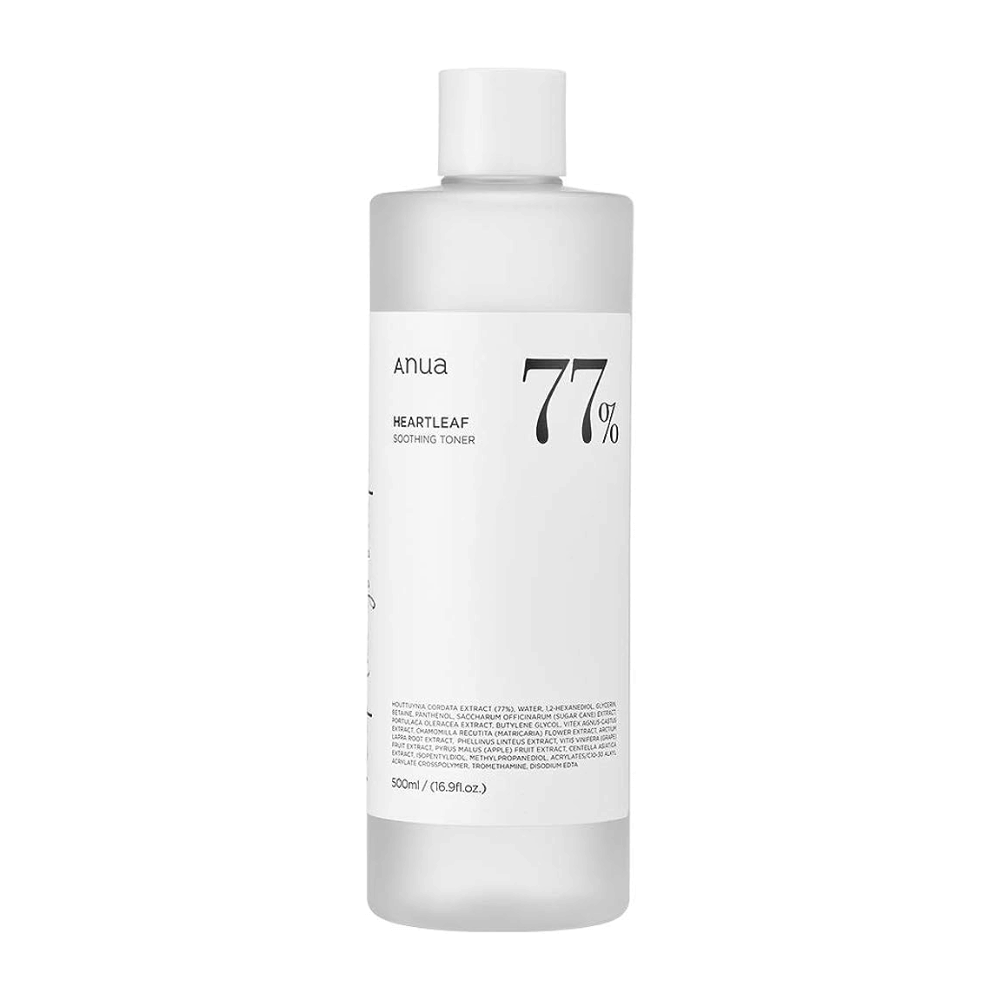
While the term gained viral popularity on social media, the technique has roots in Korean skincare, where overnight hydration treatments have long been a staple. Korean beauty brands have refined this practice with dedicated "sleeping packs" and occlusive balms.
The science is simple: occlusive products create a physical barrier that prevents transepidermal water loss (TEWL), locking in all the hydrating products you applied underneath. You wake up with intensely moisturized, plump, and glowing skin.
Benefits
Step-by-Step Guide
Complete Your Evening Routine
Cleanse, tone, apply serums, and finish with your regular moisturizer. Make sure all products are fully absorbed before slugging. This is important—you're sealing everything in.
Prep Your Occlusive
Take a small amount of your occlusive product—petroleum jelly (like Vaseline), Aquaphor, CeraVe Healing Ointment, or a Korean sleeping pack. A little goes a long way.
Apply Thin Layer
Gently pat a thin, even layer over your entire face. Focus on dry areas like cheeks, forehead, and around the nose. Avoid applying too thick—you don't need to look like a glazed donut.
Sleep On It
Go to sleep and let the occlusive work overnight. Consider using a silk or satin pillowcase to protect your bedding and reduce friction on your skin.
Morning Cleanse
In the morning, wash your face with a gentle cleanser to remove the occlusive layer. Your skin should feel soft, supple, and deeply hydrated. Continue with your morning routine.
Pro Tips
- •Start with 1-2 nights per week to see how your skin reacts
- •Use a silk pillowcase to protect your bedding
- •Apply a thinner layer if you find it too greasy
- •Korean sleeping masks are a less greasy alternative
- •Best for dry winter months or after treatments
- •Layer over hydrating products for maximum benefit
What to Avoid
- •Avoid if you have acne-prone or oily skin—can trap bacteria
- •Skip if you have fungal acne (malassezia)
- •Don't slug over active ingredients like retinol or acids
- •May cause breakouts in some people—patch test first
- •Not recommended for hot, humid climates